
THE TRACKNEST BLOG
Better days
at the front desk.
Practical ideas for package management, smoother handoffs, and the people who keep buildings moving.
Ideas you can put to work.
Page 8 of 16
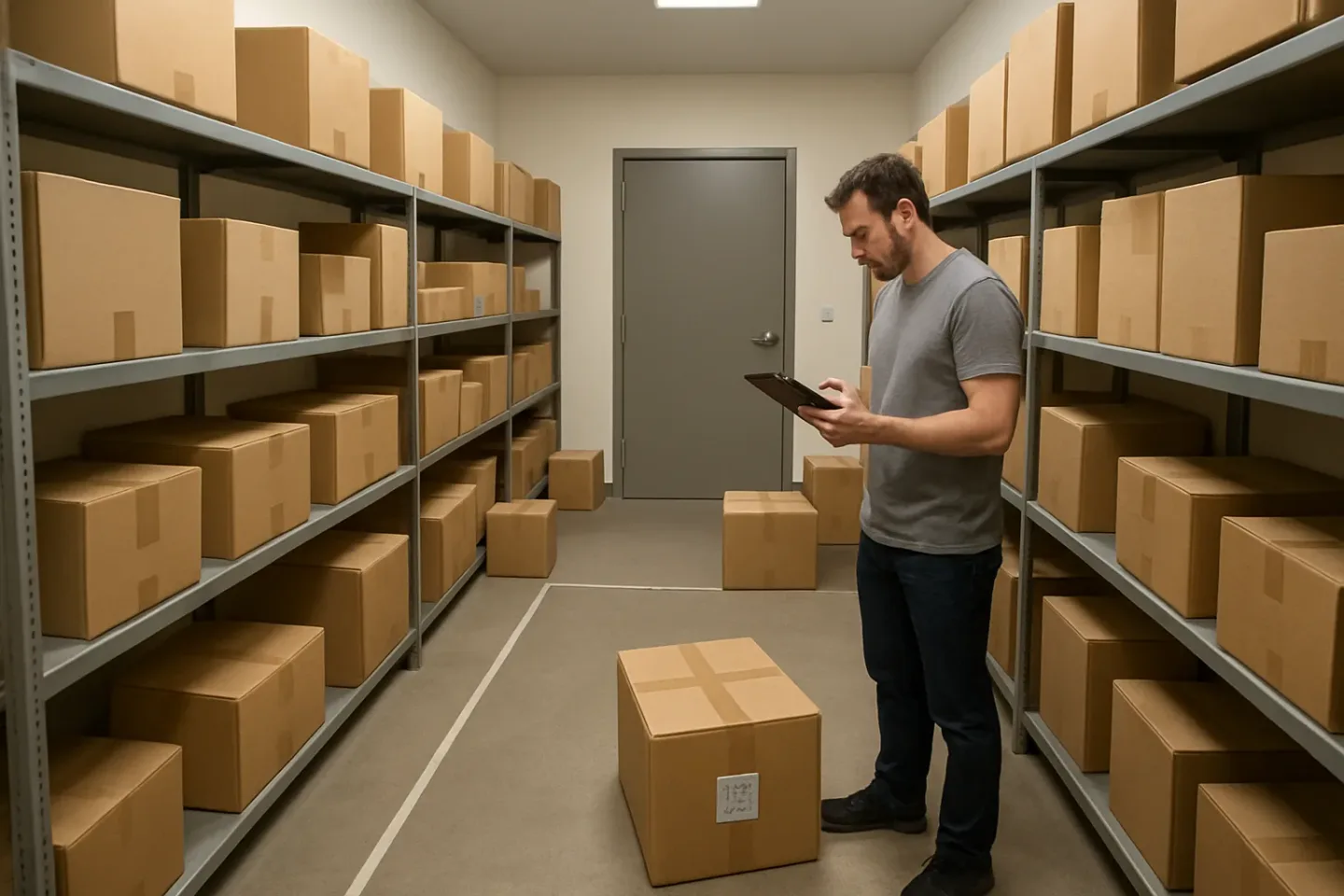
The Two-Tier Package Room Storage Model: Fast-Pickup vs. Slow-Pickup to Cut Re-Handling
A practical two-tier package room storage system built around pickup velocity (time-in-room), with clear 24h/72h triggers and a quick per-shift migration routine to reduce re-handling, searching, and clutter.
Read article ↗
Resident Communication That Prevents Missing Package Tickets: A 6-Message Library Tied to Specific Failure Modes
A practical library of six resident messages—each tied to a real package-room failure mode—with sending rules that reduce repeat questions, prevent missing package disputes, and set clear pickup expectations.
Read article ↗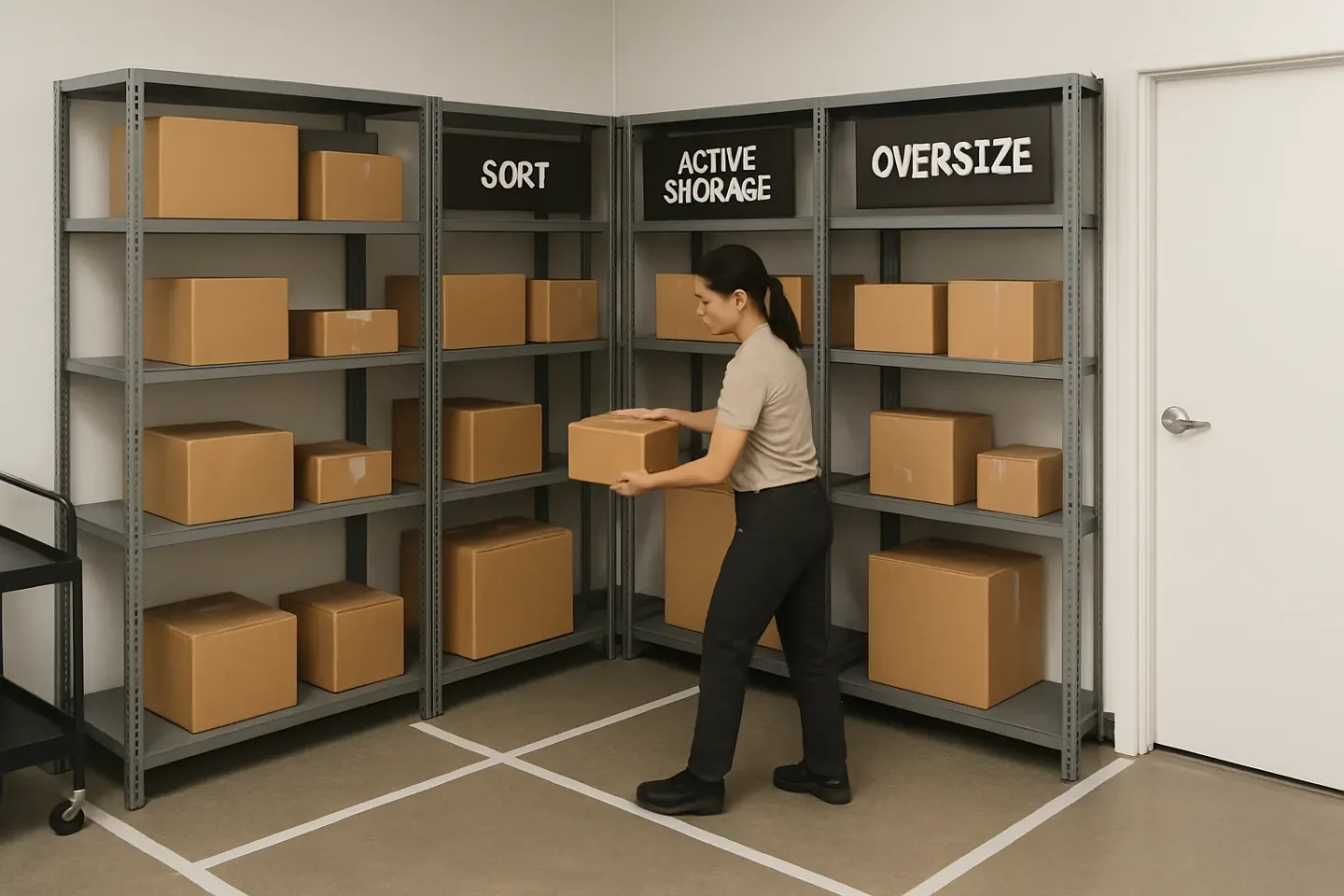
Package Room Visual Management Standards: Tape Lines, Shelf Names, and Color Cues New Staff Learn in One Shift
A practical “visual grammar” for package rooms—zones, shelf names, color cues, and exception markers—that makes the room self-explanatory even with turnover, part-time coverage, and inconsistent handling.
Read article ↗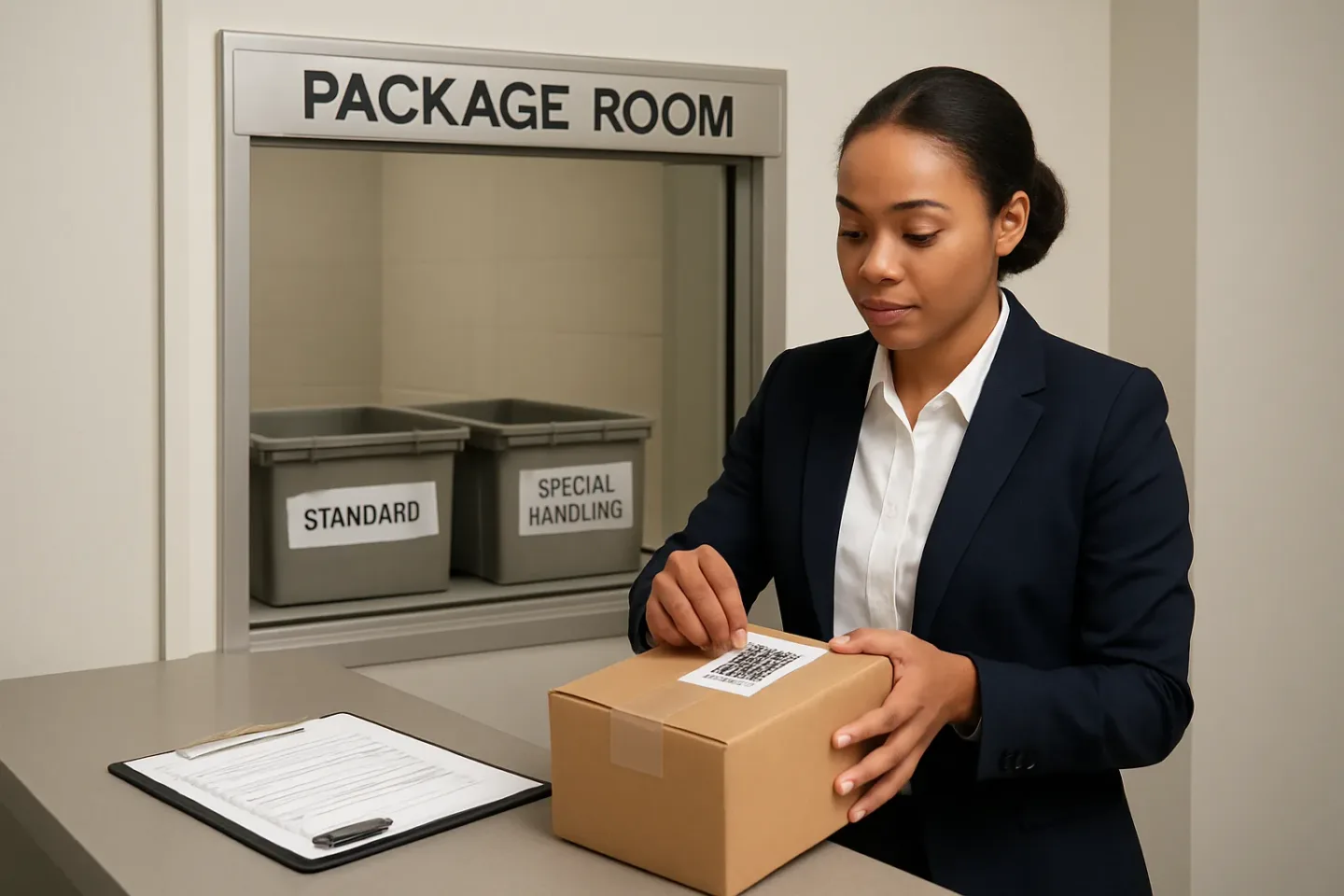
The High-Liability Playbook: A Defensible SOP for Controlled, Perishable, and Adult-Signature Packages
Controlled items, perishables, and adult-signature deliveries can turn your package room into a liability trap. This playbook provides a clear accept/decline/redirect decision tree, minimal documentation rules,
Read article ↗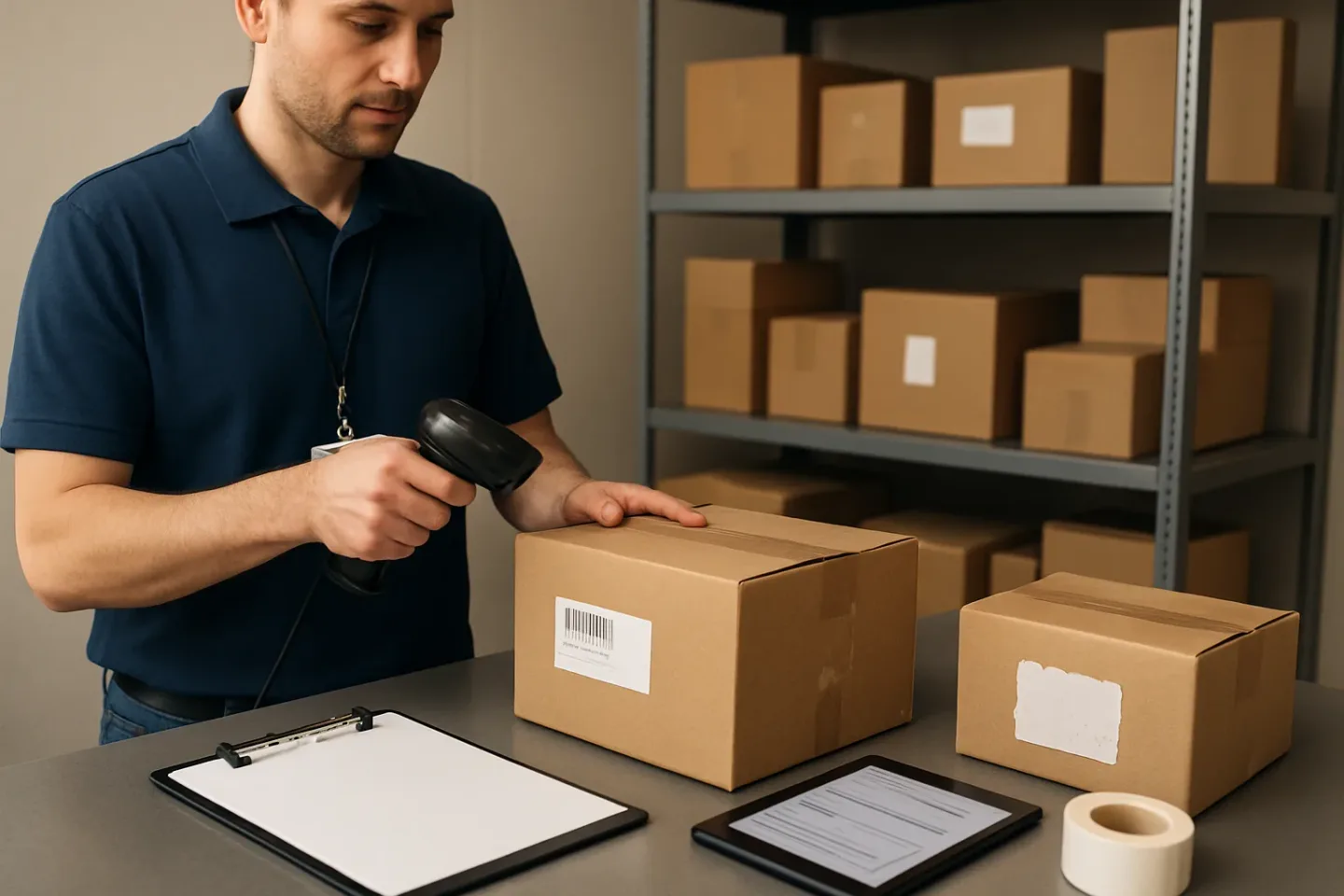
The “No-Scan” Problem: A Practical Workflow for Package Intake Without a Tracking Number
Mixed-carrier buildings increasingly receive “no-scan” deliveries—items with missing, damaged, or untrackable labels. This guide treats them as a distinct delivery class, defines a minimal data schema for consi
Read article ↗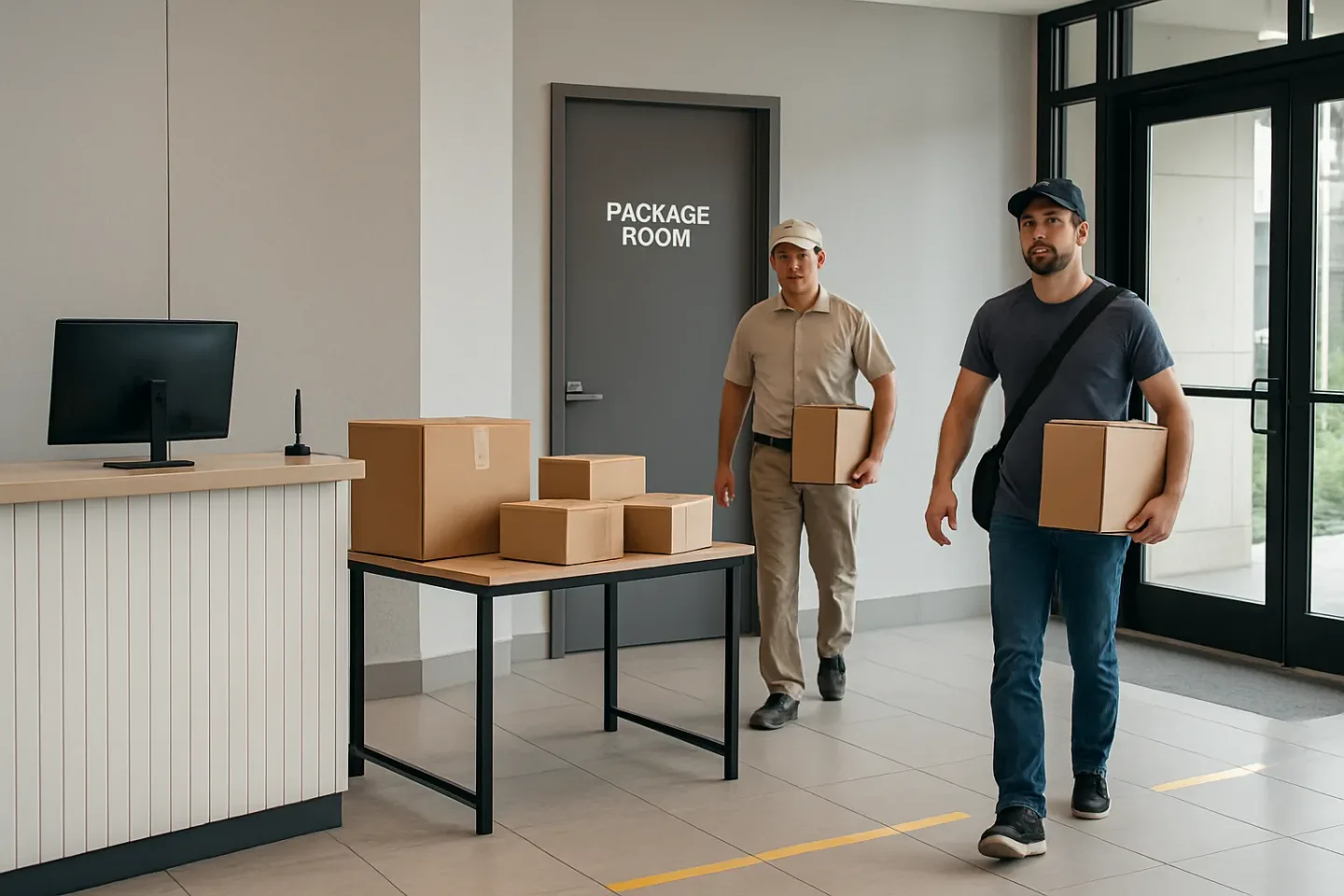
Misdelivery Heatmaps: A 2-Week Method to Identify Which Carriers, Times, and Doors Cause Errors (and Fix Them Without Confrontation)
A practical 14-day heatmap method to pinpoint where package room misdeliveries start—by arrival time window, entry point, and carrier type—then fix the root causes with layout cues, door routing, intake windows
Read article ↗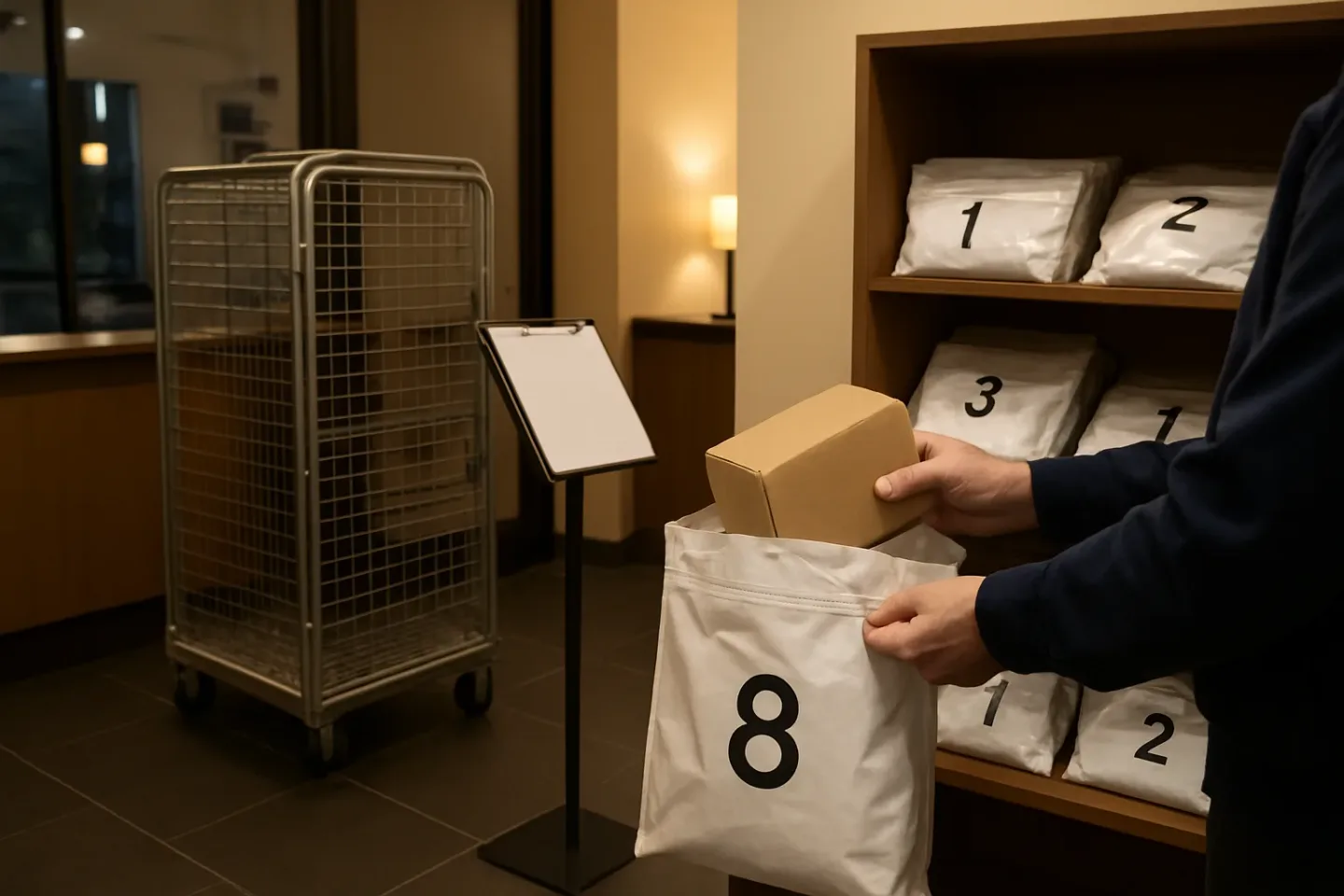
Weekend & After-Hours Coverage: A “Sealed Bag + Drop Log” System for Buildings Without 24/7 Staff
Create a controlled unattended-delivery lane using numbered security bags/totes, a carrier-facing drop log, and a next-shift reconciliation routine—so weekend and after-hours packages stay accountable even with
Read article ↗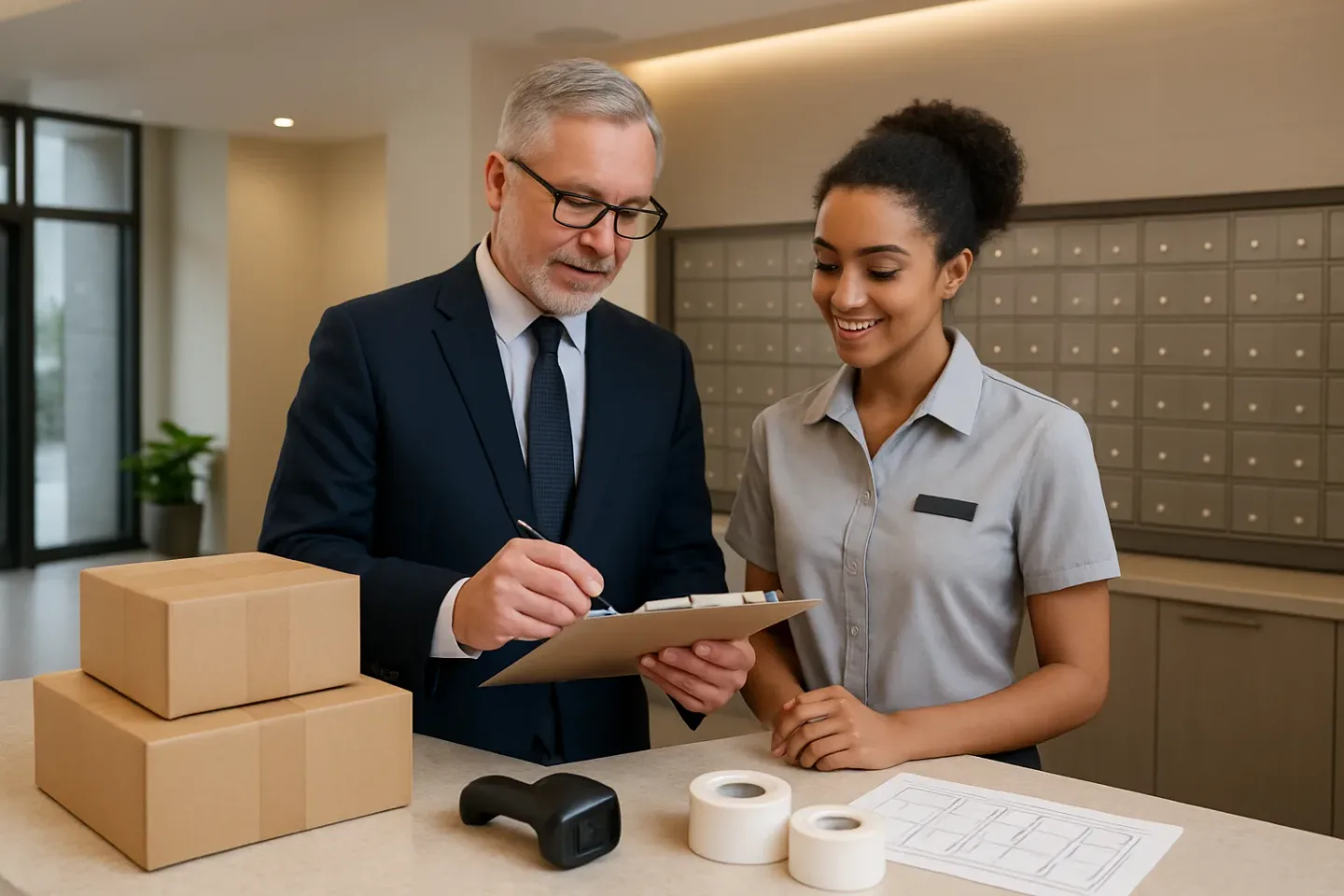
Training New Desk Staff in 45 Minutes: A Role-Based Mailroom Onboarding Micro-Curriculum (with a 10-Item Competency Check)
A fast, role-based micro-curriculum to train new concierge/front desk hires on package intake, chain of custody, and resident handoff—built around scenario drills that drive behavioral consistency under pressur
Read article ↗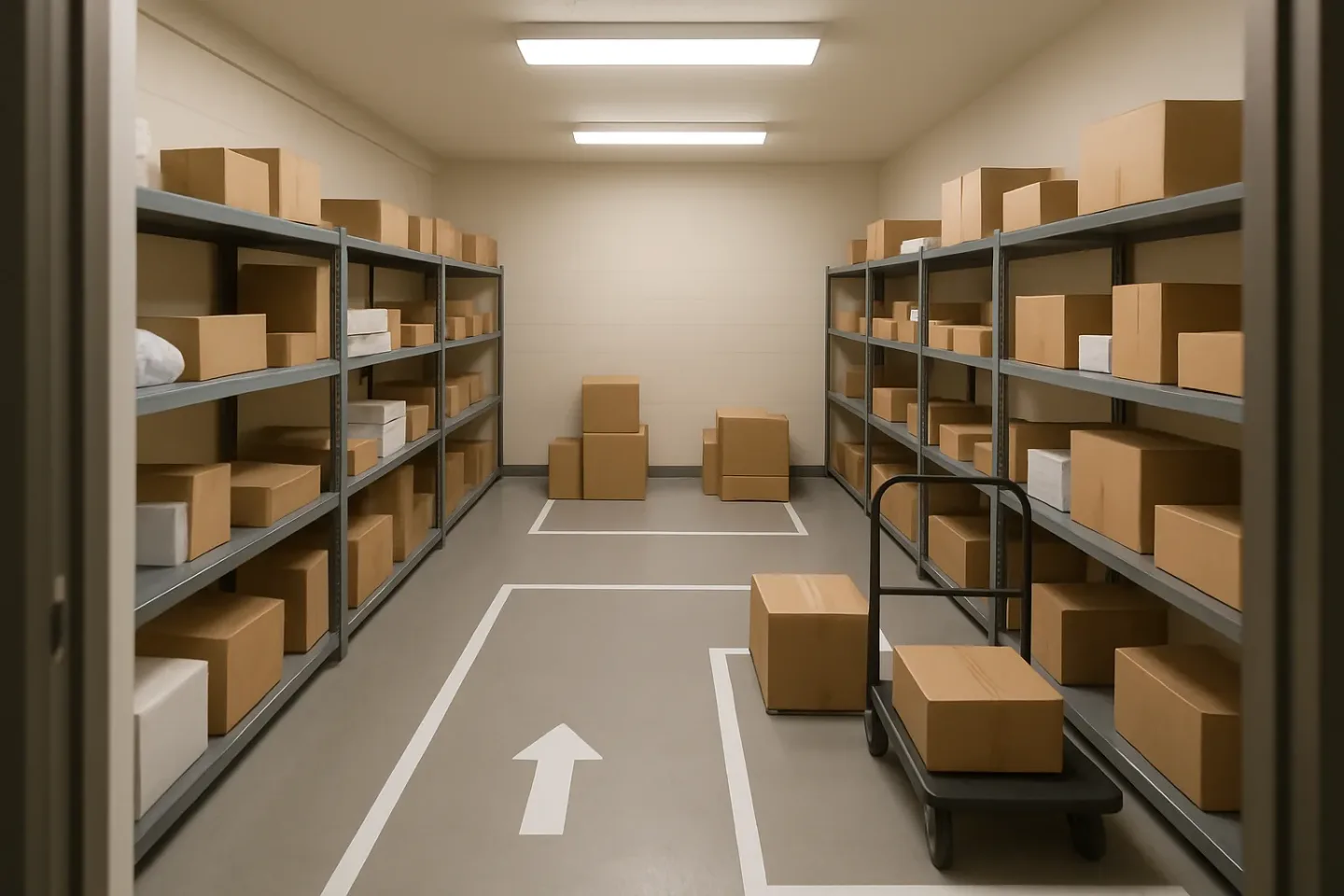
Package Room Layout on a Budget: 7 Low-Cost Physical Changes That Cut Search Time and Damage (No Construction Required)
Treat your package room like a mini-warehouse. These seven no-construction, low-cost layout tweaks improve flow, reduce mis-shelving, and prevent package damage—with simple before/after metrics you can track.
Read article ↗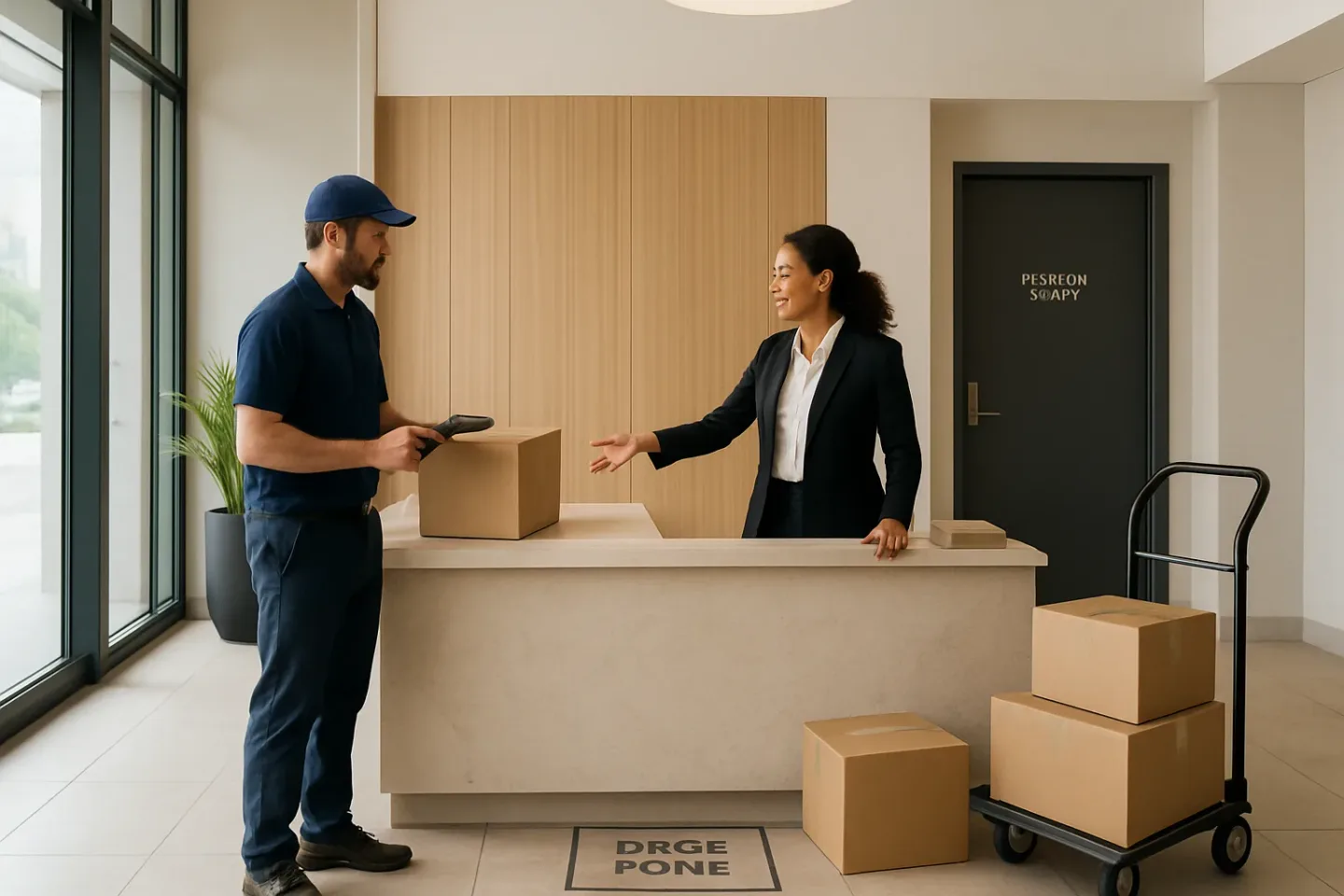
The 30-Second Receiving Script: Standardized Carrier Check-In for Package Rooms (No Misdrops, No Driver Slowdown)
A ready-to-use carrier check-in script for package rooms plus a one-page receiving checklist built for real lobby dynamics—what staff says, what they confirm, and what they refuse—so deliveries stay accurate ac
Read article ↗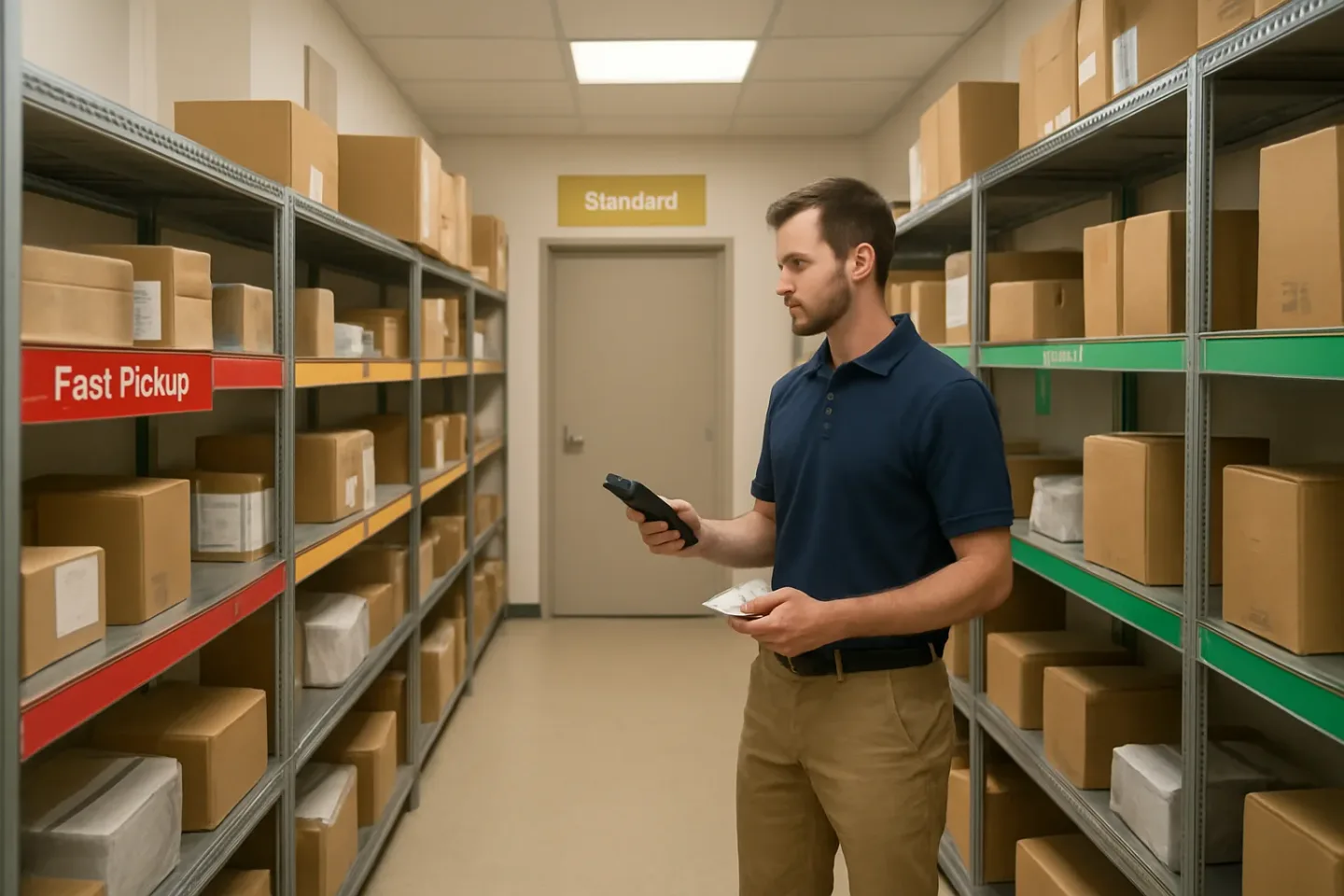
Stop Shelf Bloat: A Package Room Slotting System Based on Retrieval Time (Not Package Size)
A warehouse-style slotting approach for apartment package rooms: zone shelves by how fast residents pick up, label consistently, and run a quick weekly re-slot to prevent shelf bloat and speed up retrieval.
Read article ↗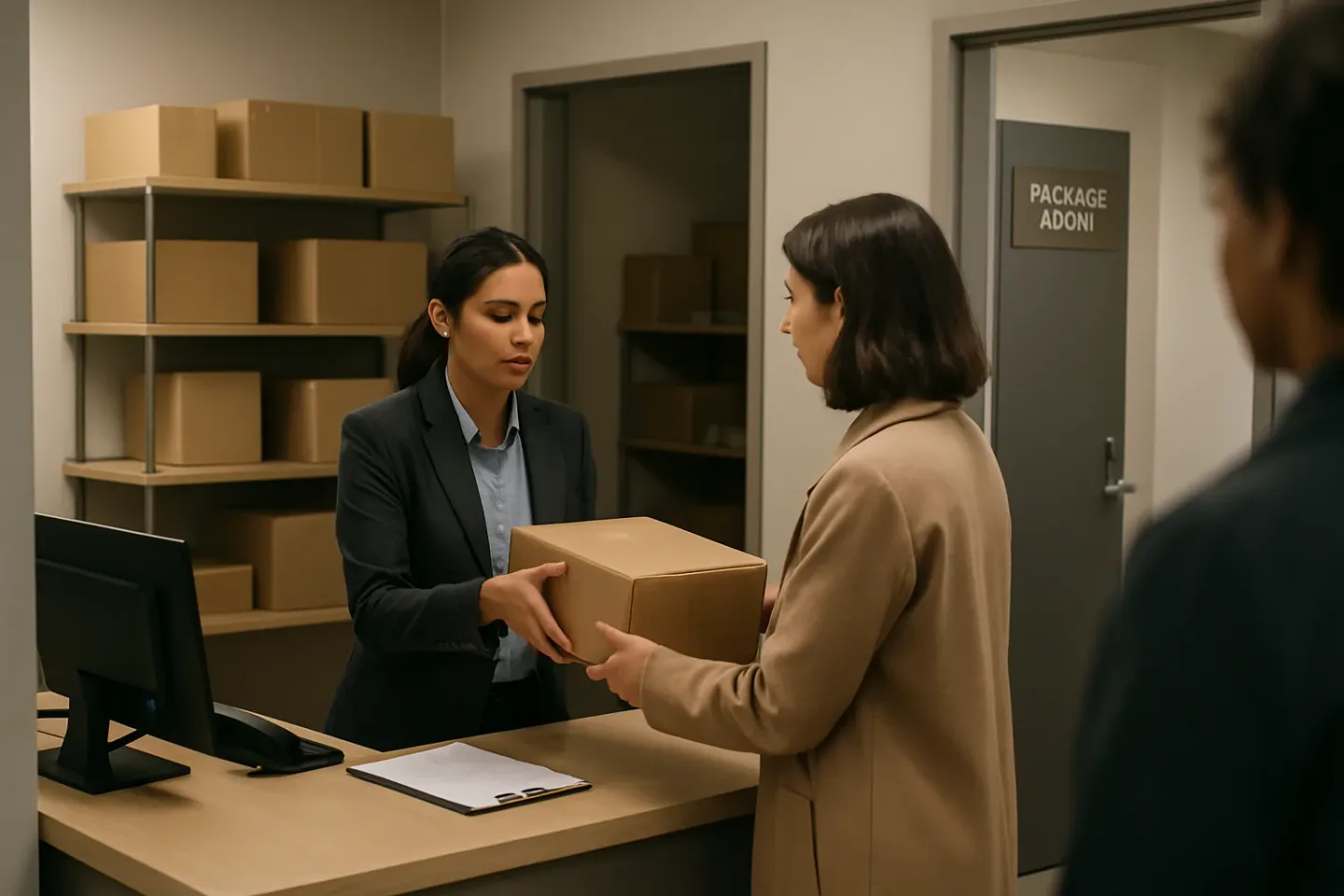
Resident Pickup Proof That Holds Up: A “Good Enough” Verification Flow Without IDs, Photos, or Awkwardness
Stop relying on “check ID” as the default. This guide lays out a tiered, resident-friendly package pickup verification apartment process based on risk, with scripts and fallback steps for dead phones, name mism
Read article ↗